

What Should My Child Know Before Starting School? 5 Skills They Actually DON’T Need
Starting school feels like a massive milestone for both you and your child. Between wondering if they can tie their shoes, open their lunchbox independently, or whether they should already be reading, it’s easy to feel overwhelmed about school readiness.
As a speech pathologist who has supported many families through their child’s transition to school, I want to ease some of that pressure. There are many school readiness skills that parents worry about unnecessarily, so let’s go through what your child actually doesn’t need to master before they start school.
Understanding True School Readiness Skills
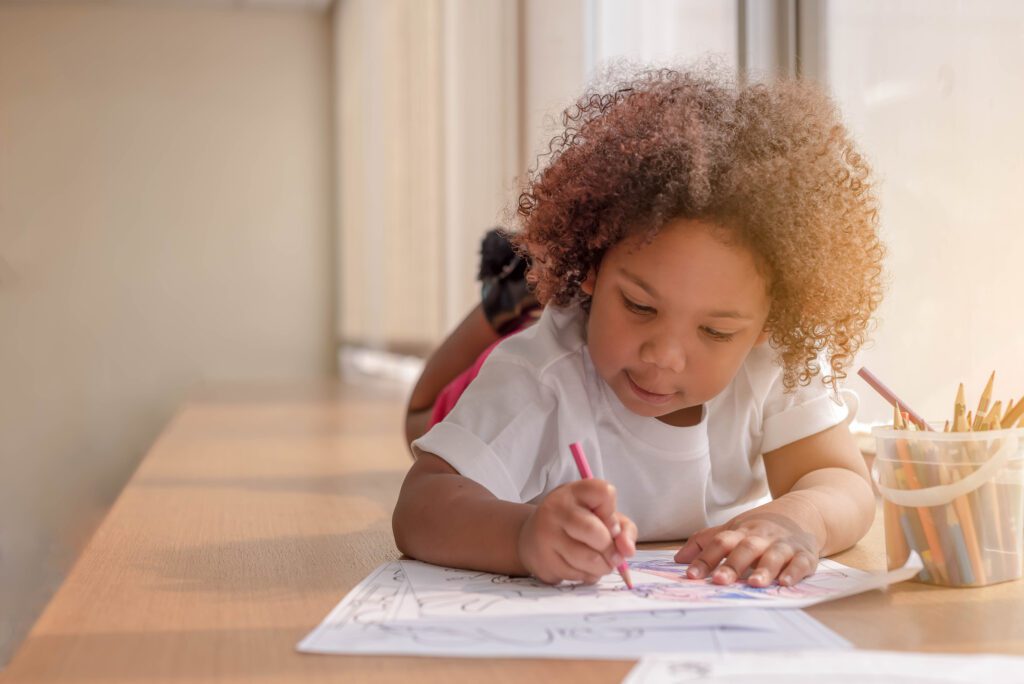
When we talk about school readiness, many parents immediately think of academic skills like reading and math. But genuine school readiness encompasses much more than academics.
The most important school readiness skills include self-care abilities, emotional regulation, communication skills, and social play skills.
Academic knowledge is just a small piece of the school readiness puzzle. After all, one of the primary reasons children go to school is to learn these academic skills! Teachers expect to teach them, not for children to arrive already knowing them.
5 School Readiness Skills Your Child Doesn’t Need to Master
01. Reading Books Independently
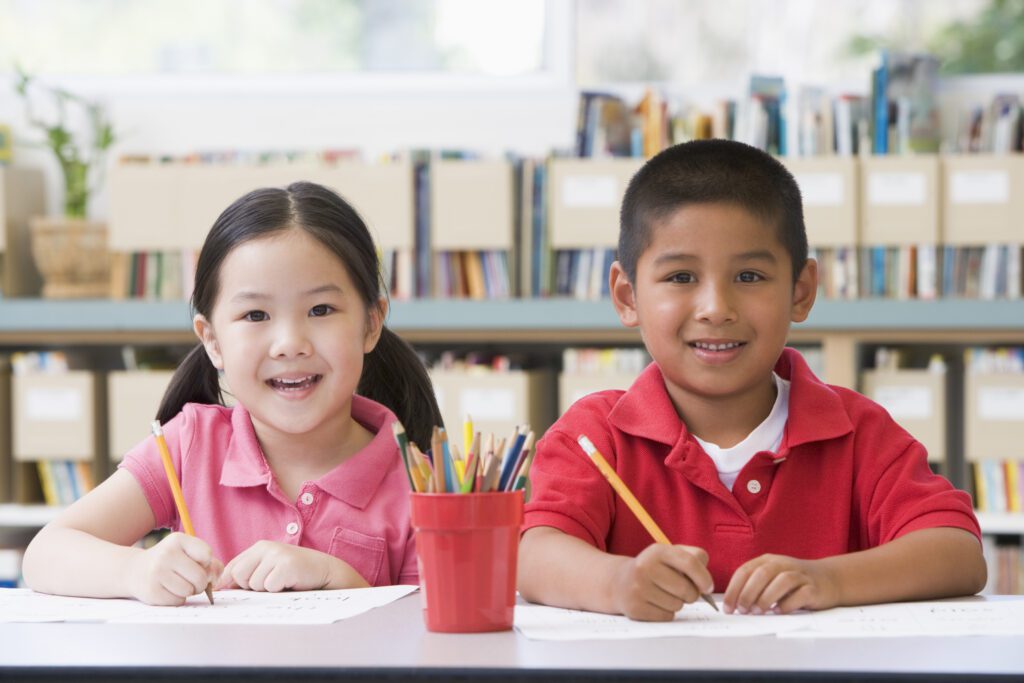
Your child does not need to know how to read before starting school. Reading instruction is one of the main focuses during the first few years of elementary school, and classroom teachers absolutely do not expect 5-year-olds to read on their first day.
While it’s beneficial if your child can recognize their name when written or has developed some pre-reading skills like letter recognition, they’re not expected to pick up a book and start reading independently. The foundation skills that matter more include enjoying story time and understanding that books have a beginning and end.
02. Writing Words and Sentences
Entering their first year of school, your child might be able to write some letters or even their name, but there’s no expectation for them to write complete words or sentences. Writing is an incredibly complex task that requires the coordination of fine motor skills, language development, and cognitive processing.
School is specifically designed to help children develop these interconnected skills gradually.
Teachers know that writing development takes time and varies greatly among children.
03. Perfect Letter and Number Formation
Preschool and early primary children aren’t known for having perfect handwriting – and there’s a very good reason for this! Their fine motor skills and visual-spatial abilities are still developing
rapidly.
It’s completely normal for school-age children to write some letters backwards, struggle with “closing” circles in letters like ‘o’ and ‘a’, or not write recognisable letters at all. Many children also prefer writing in capital letters because the curved lines required for lowercase letters are much more challenging to control.
Teachers expect handwriting to be messy and inconsistent in the early years. Perfect letter formation is a skill that develops over time with instruction and practice.
04. Understanding Time Concepts
Despite how often they might negotiate for “5 more minutes” of playtime, your preschooler isn’t expected to truly understand what 5 minutes means. Time concepts are abstract and challenging for young minds to grasp.
Children don’t need to understand how long activities take, why some tasks require more time than others, or be able to estimate duration. These mathematical and abstract thinking skills develop as children mature and gain more experience with structured routines at school.
05. Addition and Subtraction
While addition and subtraction might seem like basic math skills, they actually require significant prior knowledge and the ability to hold multiple concepts in mind simultaneously. These are sophisticated cognitive skills that develop through formal instruction.
What School Readiness Really Looks Like
If your preschooler can count to 10, they have a solid foundation for learning mathematical operations at school. And if they’re not quite there yet with counting, their teacher will absolutely support them in developing these foundational number skills.
Instead of worrying about academic skills, focus on these areas that truly support school success. Help your child develop independence with basic self-care tasks like using the bathroom, washing hands, and managing their belongings. Support their ability to communicate their needs, follow simple instructions, and interact positively with peers.
Emotional readiness matters tremendously too. Children who can separate from parents without extreme distress, handle minor frustrations, and ask for help when needed tend to adjust more smoothly to the school environment.
The Bottom Line on School Readiness
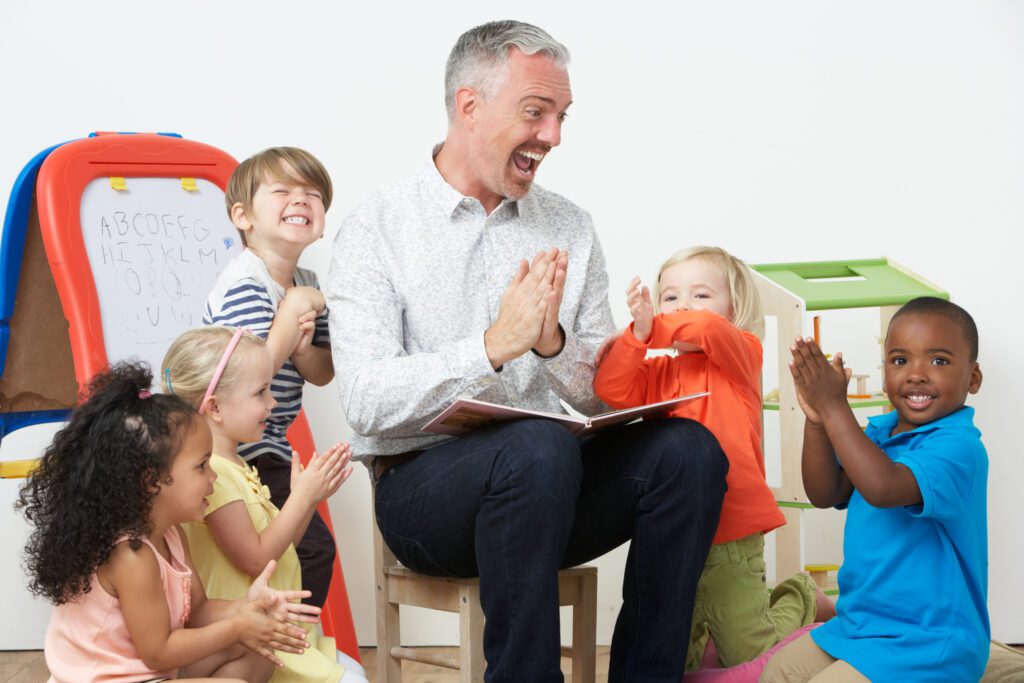
School readiness isn’t about having a child who can already do everything they’ll encounter in their first year at school. It’s about preparing them to be learners who are curious, confident, and ready to engage with new experiences.
Teachers are trained professionals who expect to meet children exactly where they are developmentally. They understand that every child arrives with different strengths, experiences, and skill levels. Your child’s teacher is prepared to teach them everything from letter sounds to making sentences to mathematical concepts.
Rather than stressing about academic checklists, focus on nurturing your child’s natural curiosity, building their confidence, and ensuring they feel secure and loved. These emotional and social foundations are far more predictive of school success than early academic skills.
Remember, if your child is ready to start school age-wise, they’re likely developmentally ready in the ways that truly matter. Trust in their natural development process and in the expertise of their future teachers.
If you’re concerned about your child’s school readiness or want practical strategies to support their early reading skills, we’re here to help.
If you’re concerned about your child’s early reading development or want practical strategies to support their school readiness, we’re here to help.
Download our free guide ‘Boost Your Preschooler’s Early Reading Skills’ for evidence-based activities you can start using today to build your child’s confidence and skills before they start school.


