

How to Help Your Preschooler Get Ready to Learn to Read
4 Simple Activities You’re Probably Already Doing
Wondering how to help your preschooler develop strong reading skills before they start school? The good news is that building preschool reading skills doesn’t require flashcards, extended programs or adding another task to your already overwhelming to-do list.
As a Speech Pathologist with an interest in early literacy, I see how the most effective pre-reading activities happen naturally during your everyday routines. These foundational skills – like recognizing letter sounds, understanding rhymes, and following directions – are what prepare children to successfully learn to read and spell.
Your child’s teachers are working on these skills in preschool and school, but reinforcing them at home gives your child extra practice and confidence. Here are four ways to easily incorporate powerful pre-reading activities into things you’re already doing.
1. At the Supermarket:
Building Sound Awareness
The Skill: Initial sound identification (recognizing the first sound in words)
Turn your grocery shopping into a phonics lesson! Every time you put something in your basket, talk about the starting sound: “Let’s get some bananas. Bananas start with ‘b’.”
After a few shopping trips of modeling this, ask your child: “What sound can you hear at the start of ‘milk’?”

Important reminders:
- Focus on sounds, not letter names (kiwi and carrot both start with the ‘k’ sound, even though they’re spelled differently)
- Remember that “cheese” starts with “ch,” not “c”
- If your child struggles, go back to telling them the sounds or slow down your pronunciation to emphasize the first sound
Don’t worry if this feels tricky at first – unless you’re a speech pathologist or teacher, you probably don’t spend much time thinking about individual sounds in words! The more you practice, the more natural it becomes.
2. In the Car:
Developing Rhyme Recognition
The Skill: Rhyme awareness
Your car rides to dancing, soccer or Auskick create the perfect captive audience for songs and nursery rhymes. This isn’t just entertainment – you’re building crucial preschool reading skills!
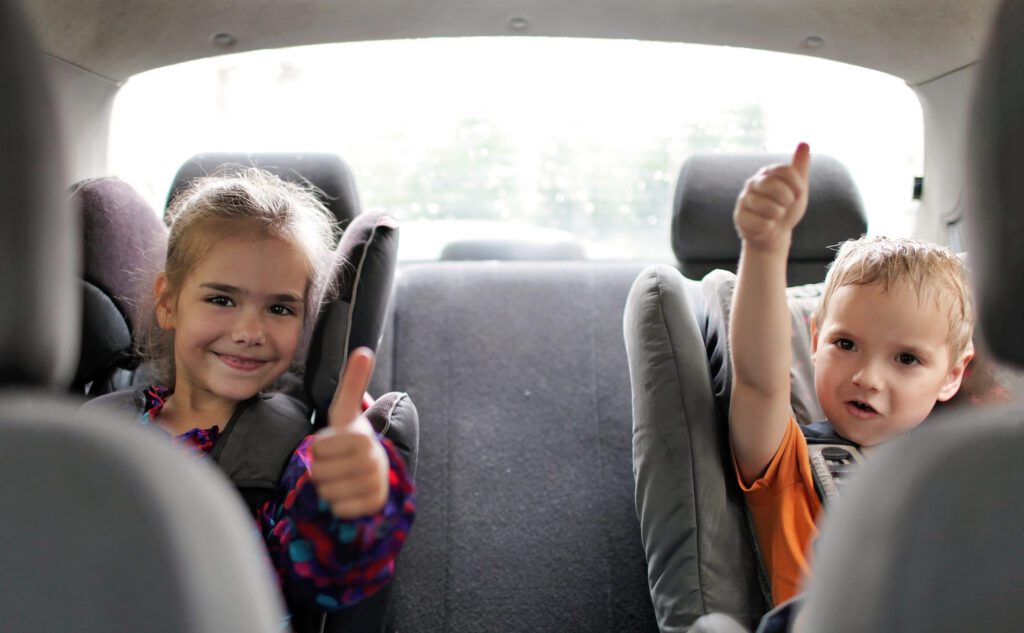
Start simple: Sing familiar songs together, letting your child absorb the natural rhyming patterns. Think, Humpty Dumpty and I’m a Little Teapot. If your child has higher brow music tastes, plenty of songs on the radio also have rhyming patterns!
Build up: Use words from songs to ask, “Does ‘star’ rhyme with ‘car’ or ‘twinkle’?”
Advanced: Ask open-ended questions like, “What rhymes with ‘smell’?”
The key is progressing through each stage rather than jumping straight to independent rhyme creation. Your child needs to build awareness before they can generate rhymes on their own.
3. Cooking Together:
Practicing Following Directions
The Skill: Sequential processing and listening comprehension
Yes, cooking with preschoolers can be messy and chaotic, but it’s also one of the best ways to practice following directions – a critical skill for learning to read and succeed in school.
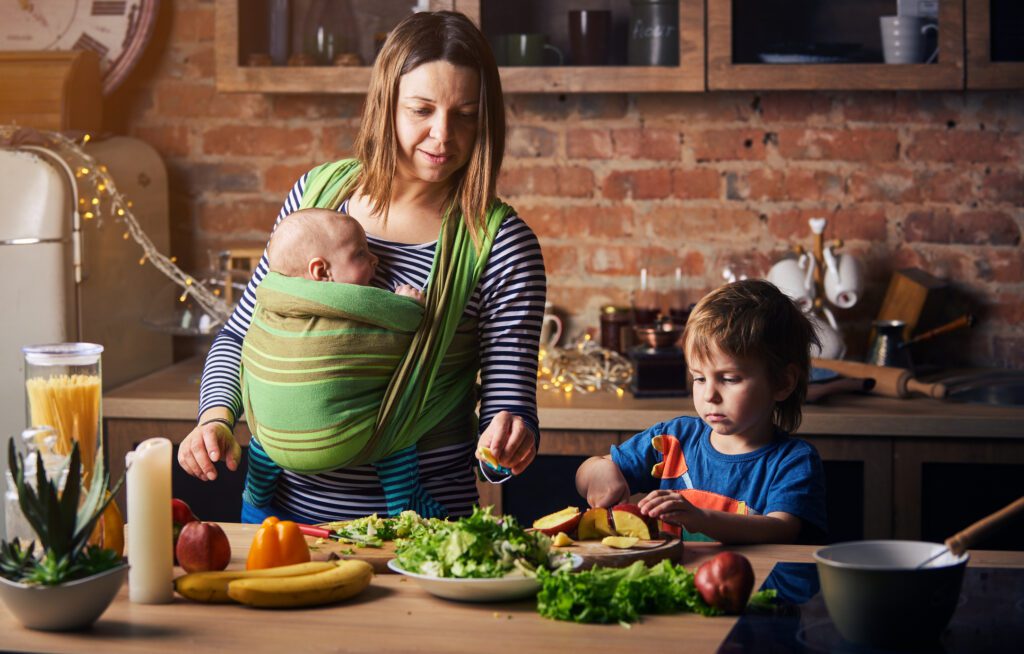
Start with single-step instructions: “Get the big bowl.”
Progress to multi-step directions: “Get the big bowl and put it on the bench.”
Build complexity: “Get the big bowl, the mixing spoon, and put them on the bench next to the flour.”
The beauty of this activity is that children focus on the exciting end goal (food!) rather than feeling like they’re being given orders. You’re probably already doing this without realizing what powerful learning is happening!
4. During Wait Times:
Building Storytelling Skills
The Skill: Narrative development and sequencing
Whether you’re waiting for coffee or at the doctor’s office, use this downtime to develop your child’s storytelling abilities – another key component of reading readiness.

Try this: Look through photos on your phone together (what child doesn’t love seeing pictures of themselves!) and talk about what happened before and after each photo was taken.
Start by telling short, simple stories yourself, then encourage your child to do the same with another photo. This builds their ability to organize events in sequence and express ideas clearly – skills they’ll need for reading comprehension.
Why These Everyday Activities Matter for Reading Success
These simple activities target the fundamental preliteracy skills that research shows are essential for reading success:
- Phonological awareness (understanding that words are made up of sounds)
- Following directions (crucial for classroom learning)
- Narrative skills (understanding story structure and sequence)
- Language development (building vocabulary and expression)
The best part? You’re building these preschool reading skills during activities you’re already doing, creating positive associations with learning that will serve your child well throughout their educational journey.
Remember: Every Child Develops at Their Own Pace
Some children will pick up these skills quickly, while others need more time and practice. Both are completely normal! The goal isn’t perfection – it’s providing consistent, pressure-free exposure to the building blocks of reading.
By incorporating these activities into your daily routine, you’re giving your child a strong foundation for reading success while creating meaningful connections during everyday moments.
If you’re concerned about your child’s early reading development or want practical strategies to support their school readiness, we’re here to help.
Download our free guide ‘Boost Your Preschooler’s Early Reading Skills’ for evidence-based activities you can start using today to build your child’s confidence and skills before they start school.


